Roadshow Services is easier to manage when venue access windows are checked before freight leaves storage.

Tampa / Florida
Venue-led trade show display planning for the bay-area event calendar.
813-946-8577info@tradeshowdisplaystampa.comStart the display briefEvent Types
Roadshow Services Trade Show Display Support
Streamline your multi-city roadshow with expert coordination for Tampa stops, leveraging the city's expansive convention facilities, airport-adjacent conference hotels, and flexible expo campuses to ensure smooth execution across waterfront display halls and regional event spaces.
Roadshows demand precise orchestration across sequential venues, and Tampa's infrastructure positions it as a pivotal hub within Florida's event landscape. The Tampa Convention Center anchors downtown programming with its 600,000 square feet of total meeting and event space, including a 200,000-square-foot display hall equipped for up to 1,000 standard 10'x10' booths and featuring electric, water, and compressed-air hook-ups directly in the hall. This setup supports rapid booth installations and demonstrations typical of roadshow formats, while nearby Water Street and Channel District hotels provide overflow accommodations and pre-event rehearsals without straying far from load-in zones.
Beyond the core, the Florida State Fairgrounds offers versatile spaces from 5,000 to 87,000 square feet across Expo Hall, TECO Arena, Entertainment Hall, equestrian rings, and outdoor areas, ideal for larger consumer-facing roadshow activations on Tampa's east side. Westshore and Rocky Point conference properties cater to compact sales meetings or hybrid stops near Tampa International Airport, facilitating quick transitions for touring programs. Effective roadshow planning in this market hinges on aligning venue capabilities with tour itineraries, confirming utility access, and navigating house services through early RFP responses via Visit Tampa Bay's dedicated meeting planners hub.
- Tampa
- Event Types
- Display Planning
- Show-Site Support
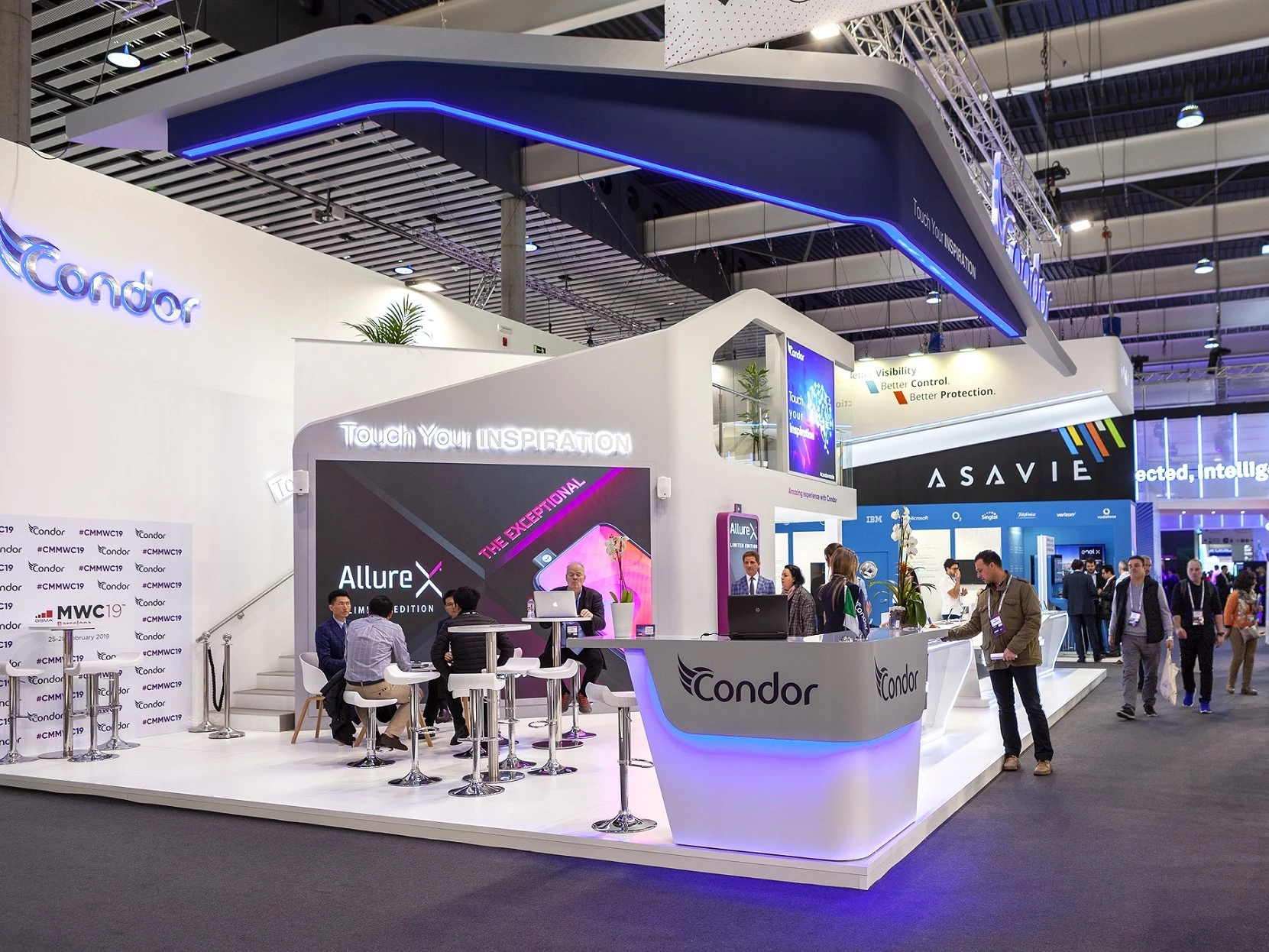
Roadshow Services reads more coherently when graphics, hardware, AV, and furniture are scoped together.
During Tampa show weeks, Roadshow Services often changes labor pacing, staging space, and the amount of floor support the booth needs.
Part
Essential Planning Priorities for Tampa Roadshows
Align stop durations with venue load-in protocols at the Tampa Convention Center's waterfront docks and the fairgrounds' multiple hall configurations.
Coordinate booth portability across display halls supporting 200,000 square feet at the convention center and up to 87,000 square feet at fairgrounds venues.
Verify utility hook-ups including electric, water, and compressed air available in major display spaces for demo-heavy roadshow elements.
Factor in right-to-work labor environment while confirming venue-managed services and show organizer rules for setup crews.
Position stops strategically across downtown core, Westshore airport belt, and east Tampa fairgrounds for balanced regional coverage.
Secure adjacent hospitality at Water Street hotels, Seminole Hard Rock with 800 rooms, or Straz Center for receptions.
Plan transitions around airport proximity in Westshore and riverfront access in the Channel District and Harbour Island areas.
Part
Strategic Venue Selection for Roadshow Itineraries
Selecting venues for Tampa roadshow stops requires matching tour scale to facility footprints, starting with the Tampa Convention Center's 600,000-square-foot campus where the primary display hall spans 200,000 square feet and handles configurations for 1,000 booths. This waterfront facility includes built-in show offices and cafes within the hall, streamlining operations for multi-day activations where teams manage daily attendee flows and evening resets. Planners must review the venue's facilities details through Visit Tampa Bay to confirm ballroom-to-display transitions, as the largest contiguous space reaches 36,000 square feet with 30-foot ceilings suitable for overhead rigging in product unveilings.
The Florida State Fairgrounds expands options for east-side stops, with spaces like the 87,000-square-foot largest hall accommodating expansive layouts beyond downtown capacities. Planners route through the fairgrounds' Event Rentals and Venues portals to align roadshow footprints with Expo Hall or TECO Arena, considering equestrian and outdoor adjacencies for hybrid formats. Meanwhile, conference hotels in Westshore and Rocky Point serve shorter stops, leveraging airport access for freight handlers shipping modular displays between tour legs.
Tampa Convention Center display hall: 200,000 sq ft, 1,000 booths max.
Fairgrounds largest space: 87,000 sq ft across indoor and outdoor venues.
Westshore hotels for quick-turn airport logistics.
Part
Logistics Coordination Across Tampa Venue Clusters
Tampa's venue clusters enable roadshow routing from downtown's Convention Core through Water Street, Channel District, and Harbour Island to Westshore's airport belt and east Tampa's fairgrounds corridor. The downtown cluster centers on the convention center's riverfront load-in, where 600,000 square feet supports phased booth builds amid Ybor City extensions for sponsor dinners at nearby Straz Center. Roadshow coordinators sequence stops to exploit this progression, using Visit Tampa Bay's maps and facilities search for RFP submissions that lock in dock priorities and freight elevators.
Westshore and Rocky Point properties handle mid-tour resets near Tampa International, ideal for sales roadshows with 800-room overflows at Seminole Hard Rock on the east side. Fairgrounds logistics emphasize volume handling in non-union fairgrounds workflows, with venue-managed catering and promoter portals guiding multi-hall assignments. Overall, itineraries balance waterfront grandeur with airport efficiency, ensuring modular displays transition via regional trucking without downtown congestion delays.
Downtown core: Convention center plus Water Street hotels.
Westshore: Airport-adjacent for rapid freight turnover.
East Tampa: Fairgrounds for large-format expo stops.
Part
Labor Environment and Service Provider Alignment
Florida's right-to-work status establishes an open-market baseline for roadshow labor, but Tampa venues dictate specifics through house services and exhibitor manuals. At the Tampa Convention Center, electric, water, and compressed-air hook-ups signal venue-provided utilities, requiring early confirmation of setup scopes with show organizers to avoid overlaps. Planners coordinate via the venue's planning sections, ensuring crews handle booth rigging under 30-foot ceilings while respecting on-floor cafes and show offices.
Fairgrounds rentals direct through Event Rentals, Venues, and Catering channels, indicating managed workflows where outside providers align with promoter rules. Resorts like Saddlebrook's 95,000 square feet north of Tampa or Seminole Hard Rock focus public guides on space and amenities without labor mandates, allowing flexible contractor sourcing. Roadshow success depends on pre-event audits of these rules, securing providers versed in modular installs across cluster transitions.
Right-to-work state supports open labor market.
Venue utilities and house services require organizer approval.
Confirm exhibitor manual for each stop's crew guidelines.
Part
Utility and Infrastructure Setup for Demo Roadshows
Roadshow demonstrations thrive on reliable power and utilities, with Tampa Convention Center's hall featuring direct electric, water, and compressed-air connections for up to 1,000 booths across 200,000 square feet. Coordinators spec orders through venue channels, timing hook-ups to match tour timelines amid four in-hall cafes and two show offices that support extended activations. This infrastructure handles high-draw tech demos, from interactive kiosks to vehicle displays under 30-foot ceilings.
Fairgrounds halls up to 87,000 square feet demand similar pre-plans via rentals portals, focusing on TECO Arena or Expo Hall for power-intensive stops. Westshore conferences integrate airport freight for quick utility drops, while downtown riverfront docks expedite larger shipments. Planners bundle these across itineraries, verifying compressed air for pneumatic displays and water lines for live product testing.
Part
Hospitality Integration for Roadshow Attendees
Tampa's roadshows pair display stops with hospitality at cluster-adjacent properties, like Water Street hotels near convention center docks for pre-tour check-ins. Seminole Hard Rock's 800 rooms and gaming spaces on the east side suit sponsor buyouts post-fairgrounds activations, blending conference agendas with entertainment. Straz Center downtown hosts receptions for cultural keynotes, while Tampa Museum of Art offers executive dinners amid antiquities collections.
Hyde Park, SoHo, and Davis Islands extend South Tampa options for intimate roadshow dinners, reachable from Westshore without core traffic. Saddlebrook's 95,000 square feet north provides resort respites between stops, with public sections emphasizing flexible space over rigid labor. This network ensures attendee retention across multi-venue tours.
Seminole Hard Rock: 800 rooms for east-side overflows.
Straz Center: Entertainment receptions near convention core.
Water Street: Hotel blocks for downtown logistics.
Part
Transition Planning Between Roadshow Stops
Efficient transitions define Tampa roadshows, leveraging airport proximity in Westshore and Rocky Point for outbound freight to next cities. Downtown's Channel District and Harbour Island docks feed convention hall resets, with 600,000 square feet allowing overnight modular reconfigurations for back-to-back days. Fairgrounds' east corridor supports volume teardowns via multiple halls, routing through promoter portals for post-event inspections.
Coordinators sequence via Visit Tampa Bay's hub, aligning RFP timelines with tour calendars to preempt dock queues. Right-to-work flexibility aids crew rotations, while utility confirmations prevent demo delays in subsequent stops. This layered approach sustains momentum across Tampa's clusters.
Part
Frequently Asked Questions About Tampa Roadshow Services
Q: What makes the Tampa Convention Center suitable for roadshow stops?
Its 600,000-square-foot facility includes a 200,000-square-foot display hall for 1,000 booths, with electric, water, compressed-air hook-ups, show offices, and cafes supporting full-day activations.
Q: How do Florida State Fairgrounds fit into roadshow planning?
Offering spaces from 5,000 to 87,000 square feet in Expo Hall, TECO Arena, and more, they handle large east-side stops via Event Rentals workflows.
Q: What labor considerations apply to Tampa roadshows?
As a right-to-work state, Florida supports open-market labor, but venues manage house services and require exhibitor manual compliance.
Q: Which venue clusters optimize roadshow routing?
Downtown Convention Core for waterfront displays, Westshore for airport logistics, and east Tampa fairgrounds for expo-scale activations.
Q: How to handle utilities in Tampa display spaces?
Confirm electric, water, and compressed air via venue planning sections, especially in convention center halls and fairgrounds arenas.
Q: What hospitality options pair with roadshows?
Water Street hotels, Seminole Hard Rock's 800 rooms, Straz Center receptions, and Saddlebrook's 95,000 square feet for integrated attendee experiences.