Healthcare Trade Show Services is easier to manage when venue access windows are checked before freight leaves storage.

Tampa / Florida
Venue-led trade show display planning for the bay-area event calendar.
813-946-8577info@tradeshowdisplaystampa.comStart the display briefIndustries
Healthcare Trade Show Services Trade Show Display Rentals
Healthcare exhibitors targeting Tampa's dynamic convention landscape require precise coordination across expansive display halls, utility-equipped show floors, and venue-specific operational protocols to deliver compliant, high-impact displays for medical devices, pharmaceuticals, and health tech innovations.
Tampa's convention infrastructure, led by the 600,000-square-foot Tampa Convention Center, provides healthcare trade show organizers with a waterfront facility featuring a 200,000-square-foot display hall capable of hosting up to 1,000 standard 10'x10' booths, complete with electric, water, and compressed-air hook-ups essential for powering interactive medical equipment demonstrations and maintaining sterile demo environments during multi-day events.
Beyond the downtown core, the Florida State Fairgrounds offers versatile spaces from 5,000 to 87,000 square feet across Expo Hall, TECO Arena, Entertainment Hall, equestrian rings, and outdoor areas, enabling healthcare programs to scale from intimate supplier showcases to large-scale consumer health expos without the constraints of waterfront scheduling pressures.
Planning extends to east-side hospitality like the Seminole Hard Rock Hotel & Casino Tampa, with its 800 guestrooms supporting extended conference blocks, while downtown cultural venues such as the Straz Center for the Performing Arts and Tampa Museum of Art facilitate sponsor receptions and executive networking tied to core display timelines.
- Tampa
- Industries
- Display Planning
- Show-Site Support
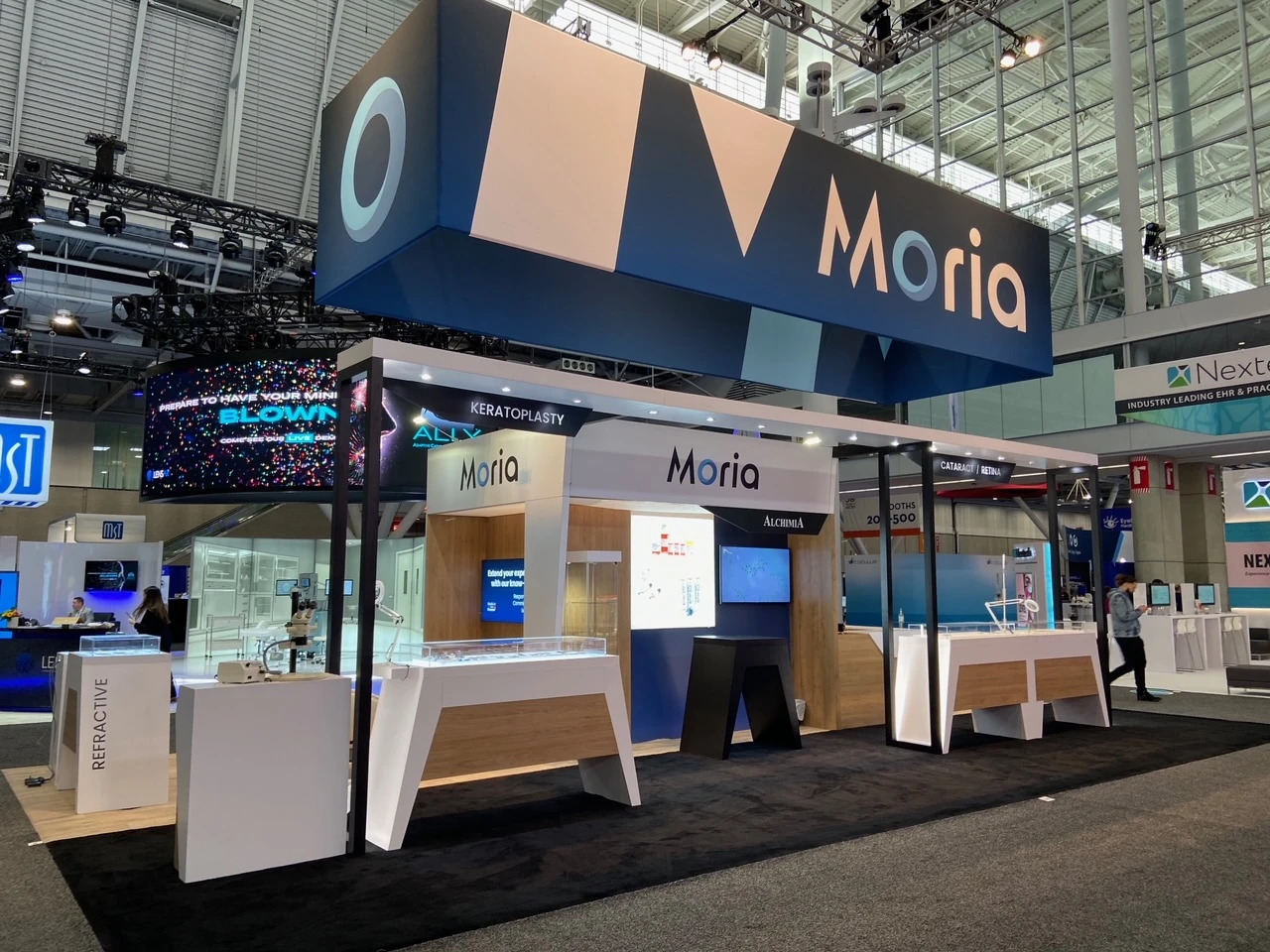
Healthcare Trade Show Services reads more coherently when graphics, hardware, AV, and furniture are scoped together.
During Tampa show weeks, Healthcare Trade Show Services often changes labor pacing, staging space, and the amount of floor support the booth needs.
Part
Core Operational Focus Areas for Healthcare Exhibitors
Secure early confirmation on venue-managed utilities including electric, water, and compressed air to support demo-intensive healthcare booths.
Align booth footprints with hall capacities like the Tampa Convention Center's 200,000 square feet for up to 1,000 booths or Fairgrounds' 87,000-square-foot maximum spaces.
Coordinate labor scopes through Florida's right-to-work framework while adhering to show organizer and venue service contractor guidelines.
Plan load-in logistics around downtown waterfront access, airport proximity in Westshore, and fairgrounds' expo corridors for efficient freight movement.
Integrate offsite receptions at cultural landmarks like the Straz Center or Tampa Museum of Art to enhance sponsor engagement post-display hours.
Anticipate transitions from ballroom sessions to display floors, leveraging the Convention Center's integrated 600,000 square feet of total space.
Verify exhibitor manuals for healthcare-specific compliance on product demos, waste disposal, and electrical safety protocols.
Part
Tampa Convention Center as Healthcare Display Anchor
The Tampa Convention Center stands as the primary venue for healthcare trade shows in Tampa, offering 600,000 square feet of combined meeting and event space where organizers can smoothly transition from keynote ballrooms seating up to 3,600 in theater style or 2,080 for banquets to the adjacent 200,000-square-foot display hall designed for densities up to 1,000 booths, ensuring ample room for pharmaceutical pipelines, diagnostic imaging arrays, and telehealth solution kiosks that demand substantial floor real estate and visitor flow management.
Facility infrastructure includes dedicated electric, water, and compressed-air hook-ups directly in the display hall, critical for healthcare exhibitors running live procedure simulations, oxygen-compatible displays, or precision instrument calibrations that require stable power and fluid connections without disrupting neighboring setups; two show offices and four in-hall cafes further support extended operational days typical of medical professional gatherings spanning regulatory updates and peer networking.
Exhibitors must engage Visit Tampa Bay's meeting planners hub early to navigate RFP processes, facility searches, and service integrations, as the venue's waterfront positioning influences load-in trucking routes via Channel District access points and requires pre-event confirmation of house services overlapping with exhibitor booth builds.
Part
Florida State Fairgrounds for Scalable Healthcare Expos
Positioned in Tampa's east-side expo corridor alongside Brandon and Riverview logistics hubs, the Florida State Fairgrounds delivers flexible venue options from compact 5,000-square-foot enclosures to the expansive 87,000-square-foot largest hall, accommodating healthcare trade shows focused on public health initiatives, wellness product launches, or regional supplier fairs that benefit from outdoor overflow for equipment testing or vehicle-based medical transport demos.
Event rental workflows channel through dedicated sections for venues, catering, and promoter portals, prompting healthcare planners to align booth installations with fairgrounds' managed services rather than assuming open access, particularly for setups involving hazardous materials handling or climate-controlled storage adjacent to Entertainment Hall or TECO Arena configurations.
This campus's equestrian rings and outdoor spaces extend usability for hybrid formats blending indoor displays with practical demonstrations, such as mobility aid trials or emergency response simulations, while its separation from downtown cores avoids peak convention overlaps and supports phased builds across multi-hall deployments.
Part
Conference Hotel Integrations in Westshore and Beyond
Westshore's airport-adjacent conference belt, encompassing Rocky Point, Town 'N' Country, and South Tampa properties, serves as overflow for healthcare trade shows drawing national delegations, where hotels facilitate room blocks for sales teams and keynotes preceding display hall activations at the nearby Convention Center.
North of Tampa, Saddlebrook Resort contributes over 95,000 square feet of flexible event space suitable for pre-show workshops or post-display strategy sessions, allowing healthcare exhibitors to distribute programming across resort meeting rooms and linked display transitions without sole reliance on downtown inventory.
East-side anchors like the Seminole Hard Rock Hotel & Casino Tampa, with 800 guestrooms, three pools, spa facilities, and extensive dining, position themselves for sponsor hospitality buyouts that complement daytime trade show commitments, enabling fluid attendee movement between gaming entertainment, relaxation zones, and shuttle-accessible expo floors.
Part
Utility Management for Demo-Heavy Healthcare Booths
Healthcare displays often incorporate power-hungry elements like imaging scanners, robotic surgery prototypes, or VR patient simulations, making the Tampa Convention Center's hall-wide electric, water, and compressed-air provisions a foundational planning element; exhibitors should map booth schematics against 30-foot ceiling heights and 36,000-square-foot largest contiguous spaces to optimize cable runs and airflow without impeding emergency egress.
At the Florida State Fairgrounds, venue-specific inquiries via the event rentals portal clarify hookup availabilities across variable hall sizes, ensuring setups for pharmaceutical compounding stations or biotech fluid systems comply with fairgrounds' catering and service overlaps before permitting extended demo operations.
Florida's right-to-work status underpins labor flexibility for utility installations, but final approvals hinge on exhibitor manuals dictating connections through show organizers or house contractors, preventing disruptions in high-stakes healthcare environments where equipment uptime directly impacts lead generation.
Part
Labor Coordination in Florida's Right-to-Work Framework
As a right-to-work state per the Florida Constitution, Tampa's trade show labor environment defaults to open-market sourcing without mandatory union affiliations, allowing healthcare exhibitors to staff booth builds, demo runs, and teardowns via preferred providers while coordinating around venue house functions like those at the Convention Center's show offices and cafes.
Planning necessitates early dialogue with event organizers to delineate scopes, as public venue guides highlight managed utilities and services rather than unrestricted access, particularly for Fairgrounds' promoter portal workflows or resort meeting sections at Saddlebrook emphasizing catering integrations over external labor assumptions.
This structure supports healthcare-specific needs such as certified technicians for sterile field maintenance or HIPAA-aware personnel handling attendee data captures, with exhibitors verifying conditions through service manuals to align non-union flexibility with compliance mandates across Tampa's venue clusters.
Part
Offsite Receptions and Cultural Venue Pairings
Downtown's cultural precinct enhances healthcare trade shows through the Straz Center for the Performing Arts, Tampa Bay's hub for Broadway, opera, and performing arts, ideal for evening galas or keynote receptions where pharmaceutical executives network amid theater-scale productions following Convention Center display closes.
The Tampa Museum of Art, showcasing Greek antiquities to contemporary collections, provides a refined backdrop for donor dinners or VIP previews near the convention core, with its riverfront adjacency streamlining shuttle logistics from Water Street hotels or Harbour Island blocks.
Ybor City and Channel District hospitality ties further these extensions, positioning offsites as natural continuations of display-day interactions in healthcare's relationship-driven sectors.
Part
Freight, Load-In, and Dismantle Logistics
Tampa's venue clusters dictate distinct load-in paths: downtown waterfront via Channel District docks for Convention Center freight, Westshore's airport proximity minimizing air cargo delays for time-sensitive medical prototypes, and east Tampa's fairgrounds corridor leveraging I-4 access for over-dimensional healthcare equipment hauls.
Post-show dismantles benefit from Florida State Fairgrounds' phased rental structures, allowing overnight storage transitions before cross-state shipments, while Convention Center's 200,000-square-foot hall clearances coordinate with house services to expedite pallet jack movements and rigging takedowns.
Exhibitors planning across Hillsborough, Pinellas, Pasco, Polk, Manatee, or Sarasota counties should factor regional spillovers, confirming trucking permits and booth vacates align with show timelines to sustain momentum into follow-up virtual engagements.
Part
Frequently Asked Questions: Healthcare Trade Shows in Tampa
Q: What display hall capacities support large healthcare trade shows at the Tampa Convention Center?
The 200,000-square-foot display hall accommodates up to 1,000 10'x10' booths, with electric, water, and compressed-air hook-ups available for demo equipment.
Q: How does Florida's labor environment affect healthcare booth setups?
As a right-to-work state, it supports open-market labor, but exhibitors must confirm venue house services and show organizer rules via manuals.
Q: What venue options exist outside downtown for healthcare expos?
Florida State Fairgrounds provides halls from 5,000 to 87,000 square feet, including Expo Hall and TECO Arena, via event rentals workflow.
Q: Are utilities standard for medical demos in Tampa venues?
Tampa Convention Center offers hall-wide electric, water, and air; Fairgrounds requires venue-specific coordination through rentals portals.
Q: How to integrate offsite events with healthcare trade shows?
Pair with Straz Center for performances or Tampa Museum of Art for receptions, accessible from convention core and Water Street hotels.
Q: What planning resources aid Tampa healthcare exhibitors?
Visit Tampa Bay's meeting planners hub provides convention-center details, facilities search, maps, and RFP support.