Straz Center For The Performing Arts is easier to manage when venue access windows are checked before freight leaves storage.

Tampa / Florida
Venue-led trade show display planning for the bay-area event calendar.
813-946-8577info@tradeshowdisplaystampa.comStart the display briefVenues
Trade Show Display Coordination for Straz Center for the Performing Arts
Strategic guidance for integrating the Straz Center’s performing arts capabilities into downtown Tampa conference and trade show programs.
The Straz Center for the Performing Arts functions as Tampa Bay’s principal venue for Broadway tours, opera, music, comedy, dance, theater, and diverse live performances. Positioned at 1010 N. MacInnes Place in the River Arts District, it supplies conference and display planners with a specialized downtown option for galas, keynote-adjacent receptions, sponsor events, and entertainment-focused off-site programming that elevates standard daytime agendas at nearby facilities.
Within Tampa’s Downtown / Water Street / Convention Core cluster, the Straz Center complements the Tampa Convention Center’s 600,000 square feet of meeting and event space, including its 200,000-square-foot display hall capable of hosting up to 1,000 booths. This proximity supports efficient attendee movement between structured sessions and culturally immersive experiences without leaving the central district, allowing planners to design smooth multi-venue schedules that blend business objectives with memorable production elements.
- Tampa
- Venues
- Display Planning
- Show-Site Support
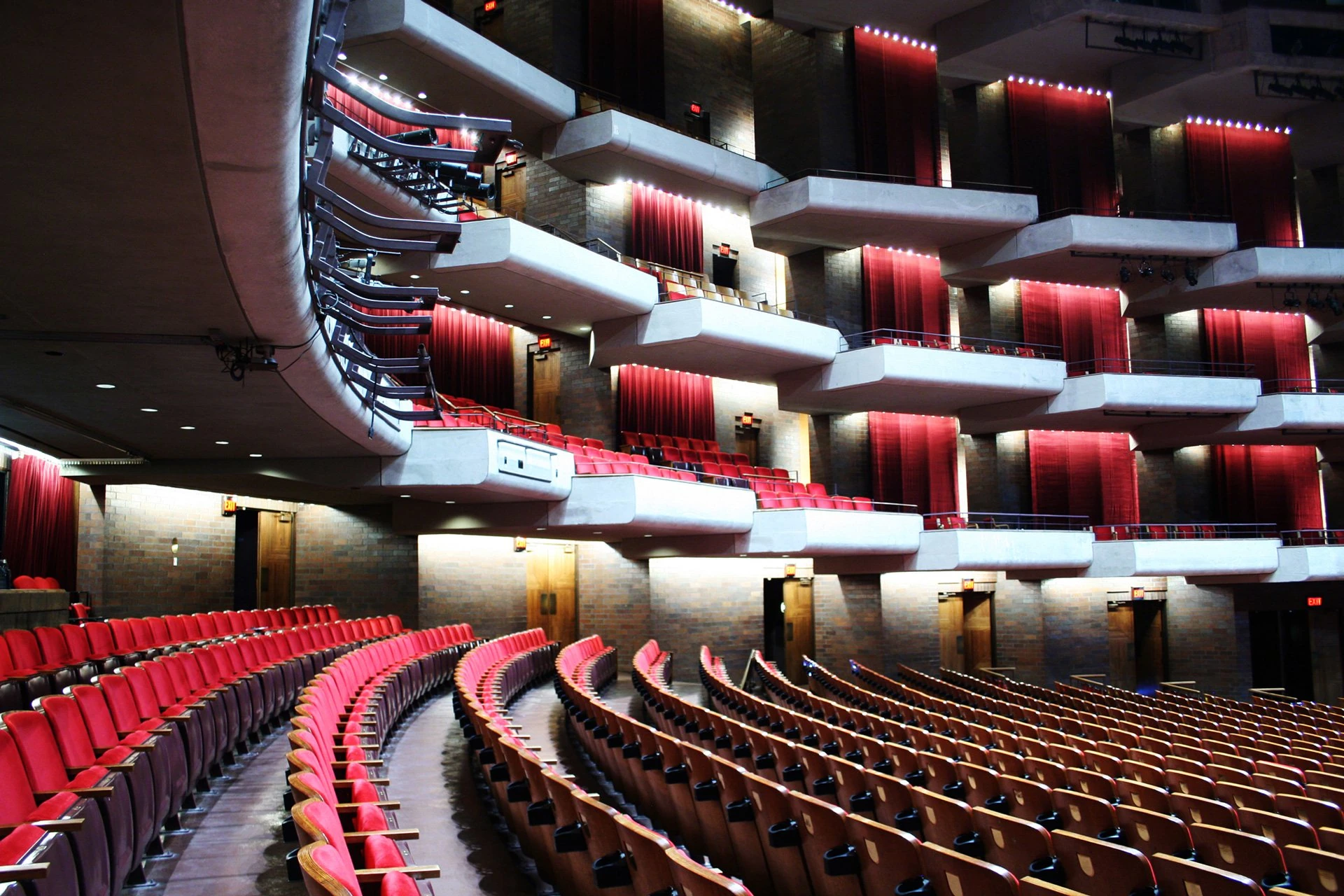
Straz Center For The Performing Arts reads more coherently when graphics, hardware, AV, and furniture are scoped together.
During Tampa show weeks, Straz Center For The Performing Arts often changes labor pacing, staging space, and the amount of floor support the booth needs.
Part
Core Planning Considerations for the Straz Center
River Arts District placement within the downtown convention core
Complement to Tampa Convention Center display and meeting schedules
Application for galas, receptions, and sponsor entertainment activations
Coordination within Florida’s right-to-work open-market labor framework
Technical alignment for performing-arts production standards
Integration with Water Street and Channel District hospitality
Advance scheduling to accommodate active performance calendars
Part
Venue Role in Tampa’s Downtown Convention Ecosystem
The Straz Center for the Performing Arts occupies a defined niche in Tampa’s meeting infrastructure as a special-event venue emphasizing cultural and theatrical experiences. Its River Arts District location places it directly inside the primary convention cluster that includes Downtown Tampa, Water Street, the Channel District, Harbour Island, and Ybor City. This concentration enables planners to distribute programming across complementary sites while maintaining operational efficiency and minimizing transit times for attendees arriving from regional airports or outlying hotels.
Visit Tampa Bay’s dedicated meeting planners hub documents the broader ecosystem, including facility search tools, maps, and RFP processes that support incorporation of special-event venues like the Straz Center alongside anchor facilities. The nearby Tampa Convention Center supplies the scale for displays and general sessions, while the Straz Center contributes distinctive evening formats that reinforce themes through live performance. This combination proves effective for associations and corporations seeking to differentiate their Tampa programs from generic destinations.
Operational planning therefore begins with mapping the full attendee journey across the district. Planners reference the Straz Center when the program requires elevated production values unavailable in standard ballrooms, such as professional staging, theatrical lighting, and acoustics optimized for music, comedy, or dance. Coordination with both the primary event organizer and venue management ensures these elements integrate without disrupting display schedules or educational tracks.
Downtown / Water Street / Convention Core cluster alignment
Proximity to 600,000 square feet of convention-center space
Support for entertainment-driven off-site functions
District-level attendee flow optimization
Part
Suitable Event Formats and Programming Applications
Performing-arts infrastructure at the Straz Center aligns most closely with galas, sponsor receptions, and keynote-adjacent celebrations that benefit from theatrical presentation. These formats allow conference organizers to transition from daytime display floors or meeting rooms into environments that support live Broadway-style elements, comedy interludes, or musical performances. The venue’s established reputation for high-caliber productions adds prestige that can strengthen sponsor visibility and attendee retention.
In practice, planners schedule these events as capstones to multi-day programs anchored at the Tampa Convention Center or Water Street properties. The Straz Center’s calendar, which includes opera, dance, and theater seasons, requires early date verification to avoid conflicts with public performances. Once secured, the focus shifts to technical integration, ensuring that staging, sound, and lighting support both the artistic program and any branded elements required by the conference organizer.
This approach contrasts with pure display-driven venues such as the Florida State Fairgrounds, which offers Expo Hall, TECO Arena, and outdoor spaces ranging from 5,000 to 87,000 square feet for larger consumer or trade shows. The Straz Center instead serves as a refined counterpart, delivering intimate or mid-scale experiences that enhance rather than duplicate display hall activity. Successful executions depend on clear documentation of production requirements shared among all contracted parties.
District differentiation emerges here: while Westshore and Rocky Point clusters serve airport-adjacent corporate meetings and North Tampa supports resort-style conferences, the River Arts District supplies an authentic cultural backdrop unavailable in suburban or airport zones. Planners leverage this nuance to create thematic coherence across the entire program.
Galas leveraging theatrical staging
Sponsor receptions with live performance
Keynote-adjacent entertainment extensions
VIP dinners in arts-oriented settings
Award ceremonies with production support
Part
Logistics and District-Level Operational Details
The River Arts District’s compact geography delivers measurable operational advantages for events that combine the Straz Center with downtown convention activity. Attendees can move between the Tampa Convention Center display hall and the Straz Center via short pedestrian routes, water transport along the Hillsborough River, or coordinated shuttles, reducing downtime and simplifying transportation management. This connectivity supports tighter schedules that maximize time spent in both business and cultural components.
Planning documentation should address load-in and technical setup specifics unique to a performing arts facility. Unlike dedicated display venues where forklift access and dock doors dominate early discussions, the Straz Center prioritizes quiet, precise integration of audiovisual and staging systems. Advance site visits and technical rehearsals become essential coordination steps to confirm that equipment deployment respects both venue infrastructure and neighboring performance schedules.
Tampa’s venue clusters further inform these logistics. The East Tampa / Brandon / Fairgrounds cluster focuses on large-scale expo capacity at the Florida State Fairgrounds, while Saddlebrook Resort to the north supplies over 95,000 square feet of flexible meeting space for residential conferences. By contrast, the downtown core containing the Straz Center enables same-day transitions that maintain momentum across a single, cohesive district. Planners reference Visit Tampa Bay resources to map these relationships and streamline permitting and service coordination.
Part
Florida Labor Environment and Service Coordination
Florida’s status as a right-to-work state creates an open-market labor baseline in which union membership is neither required nor prohibited by default. This environment allows planners flexibility when assembling teams for Straz Center events, provided all show-specific rules, exhibitor manuals, and venue policies are followed precisely. Early confirmation with the Straz Center and the primary event organizer clarifies which services fall under house management versus outside contractors.
Public planning sections for comparable Tampa venues, including the Tampa Convention Center and Florida State Fairgrounds, emphasize advance coordination around utilities, catering, and operational workflows. Although the Straz Center maintains its own technical and production standards suited to performing arts, the same principle applies: documented agreements prevent last-minute adjustments that could affect schedule or budget. The labor posture at resort properties such as the Vinoy or Saddlebrook similarly focuses on planner support rather than blanket restrictions.
For organizations managing multi-venue Tampa programs, this means maintaining separate yet aligned service agreements for the convention center display floor, hotel ballrooms, and special-event sites like the Straz Center. Coordination resources stress the importance of verifying each location’s requirements individually rather than assuming uniformity across the market. This disciplined approach supports compliance while preserving the flexibility inherent in Florida’s labor framework.
Exhibitor-appointed contractors benefit from this structure when providing specialized elements such as custom staging or branded backdrops that integrate with the venue’s existing theatrical systems. The absence of a single mandated labor model across all venues encourages detailed planning dialogues that ultimately reduce risk and improve execution quality.
Right-to-work state provisions
Venue-by-venue service confirmation
Show organizer manual alignment
Technical production coordination
House-managed versus external scopes
Part
Integration Strategies Across Tampa Venue Clusters
Effective Tampa programs treat the Straz Center as one component within a larger ecosystem rather than a standalone destination. The Downtown / Water Street / Convention Core cluster supplies the logical hub for events that pair daytime convention activity at the Tampa Convention Center with evening programming at the Straz Center. Nearby hotel inventory on Harbour Island and along Water Street supplies convenient room blocks, reducing the need for extensive off-site transportation.
By comparison, the Westshore / Airport cluster serves roadshows and corporate kickoffs with ready access to air travel, while the East Tampa / Fairgrounds corridor supports consumer expos and large public events at the Florida State Fairgrounds. North Tampa / USF properties such as Saddlebrook offer resort amenities for longer residential conferences. Understanding these distinctions allows planners to route specific program elements to the most suitable locations while using the Straz Center to inject cultural differentiation in the downtown core.
Visit Tampa Bay’s facilities search and meeting planners resources facilitate this multi-venue mapping. RFP processes, district maps, and supplier directories help identify compatible partners for catering, transportation, and technical support. When the Straz Center is included, planners typically allocate dedicated coordination time to align its performance-driven calendar with the broader conference timeline, ensuring that receptions or galas enhance rather than compete with primary programming.
This cluster-based strategy also accounts for regional draw from Hillsborough, Pinellas, Pasco, Polk, Manatee, and Sarasota counties. Attendees traveling from Clearwater, Lakeland, or Sarasota can participate in downtown events led by the convention center and enriched by the Straz Center without excessive additional travel. The resulting programs gain both logistical efficiency and experiential depth.
Part
Timeline Development and Advance Planning Recommendations
Successful incorporation of the Straz Center begins 12 to 18 months prior to the event date, allowing sufficient buffer to secure performance-aligned availability and to conduct necessary technical planning. The venue’s active schedule of Broadway tours, opera seasons, and resident companies means popular dates can book quickly, particularly during peak conference months. Early engagement with both the Straz Center box office or events team and the primary show organizer prevents downstream conflicts.
Once dates are confirmed, the planning timeline shifts to detailed production specifications, attendee flow diagrams, and service contractor assignments. Rehearsal windows must be protected to verify that any custom display or branding elements integrate safely with existing stage infrastructure. Coordination calendars should also incorporate buffer time for load-in and load-out that respects the venue’s dual function as a public performing arts center and private event space.
Documentation plays a central role throughout. Written summaries of technical requirements, labor scopes, catering parameters, and emergency protocols should be distributed to all stakeholders well before move-in. In Florida’s open-market environment, these records help clarify responsibilities and reduce the likelihood of on-site adjustments. Planners familiar with the Tampa Convention Center’s published utilities and service offerings can apply similar diligence when adapting to the Straz Center’s performing-arts orientation.
Final validation occurs through structured walkthroughs and stakeholder briefings that confirm alignment across all venues in the program. This disciplined timeline approach supports repeatable success for organizations that regularly return to Tampa and seek to incorporate the distinctive offerings of the River Arts District.
Part
Strategic Differentiation Through Arts-Driven Experiences
The Straz Center supplies a level of production sophistication that distinguishes Tampa programs from those relying solely on hotel or convention-center ballrooms. Its infrastructure supports smooth integration of live talent, advanced lighting, and acoustic design into sponsor events and galas, creating emotional connections that extend the impact of daytime display and educational content. Planners who prioritize attendee experience metrics frequently cite these elements as reasons for selecting the River Arts District over more standardized venues.
This differentiation operates at both tactical and brand levels. A comedy performance following a keynote or a private dance recital during a reception can reinforce messaging in ways static décor cannot. When paired with the scale of the Tampa Convention Center’s display hall, the combination delivers both substance and spectacle within a compact, walkable district. The surrounding Channel District and Ybor City options further expand dining and hospitality choices, completing the attendee journey.
Market data from Visit Tampa Bay underscores the value of such hybrid programming. The destination’s meeting-planner resources highlight the convention center’s capacity while also cataloging cultural assets like the Straz Center that broaden appeal. Organizations in technology, healthcare, and professional services increasingly request this blend of business infrastructure and artistic excellence when evaluating host cities.
Theatrical production for sponsor impact
Cultural authenticity in the River Arts District
Hybrid business-and-arts program design
Memorable attendee experience extension
Part
Frequently Asked Questions About Straz Center Planning
Q: How does the Straz Center fit into larger Tampa trade show programs?
It serves as a specialized off-site venue for galas, receptions, and entertainment activations that complement the Tampa Convention Center’s 600,000 square feet of meeting space and 200,000-square-foot display hall. Its River Arts District location supports efficient transitions within the downtown convention core.
Q: What labor considerations apply at the Straz Center?
Florida is a right-to-work state, creating an open-market labor environment. Specific rules are set by the venue, show organizer, and exhibitor manual rather than a blanket union mandate. Early confirmation with all parties remains the standard planning practice.
Q: Which event types perform best at the Straz Center?
The venue excels with galas, sponsor receptions, keynote-adjacent celebrations, and entertainment-driven off-sites that leverage its performing-arts infrastructure for Broadway-caliber production values, music, comedy, or theatrical presentations.
Q: How does the River Arts District compare to other Tampa venue clusters?
The Downtown / Water Street / Convention Core cluster offers cultural and hospitality density ideal for arts-integrated events, unlike the airport-focused Westshore cluster, the expo-oriented East Tampa / Fairgrounds area, or the resort-style North Tampa properties.
Q: When should planners begin Straz Center coordination?
Engagement 12 to 18 months in advance is recommended to align with the venue’s performing-arts calendar, secure suitable dates, and complete technical and operational planning required for smooth integration with primary convention activities.
Q: Does the Straz Center host large display displays?
The center functions primarily as a performing-arts and special-event venue rather than an display hall. It is best utilized for complementary programming that supports larger trade show displays hosted at dedicated facilities such as the Tampa Convention Center or Florida State Fairgrounds.