Sponsorship Activation Services is easier to manage when venue access windows are checked before freight leaves storage.

Tampa / Florida
Venue-led trade show display planning for the bay-area event calendar.
813-946-8577info@tradeshowdisplaystampa.comStart the display briefEvent Types
Sponsorship Activation Services Trade Show Display Support
Sponsorship activation services in Tampa deliver targeted sponsor experiences within major conventions, conferences, and expos by coordinating booth setups, interactive zones, and branded environments across venues like the 600,000-square-foot Tampa Convention Center and the multi-hall Florida State Fairgrounds complex.
Planning sponsorship activations in Tampa requires aligning sponsor objectives with venue capabilities and event schedules, particularly in a market led by the downtown waterfront convention core and extended expo facilities east of the city. The Tampa Convention Center's 200,000-square-foot display hall supports up to 1,000 standard 10'x10' booths, providing ample space for sponsor pavilions that integrate product demos, hospitality lounges, and digital engagement areas, while built-in electric, water, and compressed-air hook-ups facilitate power-intensive activations without last-minute disruptions. Florida State Fairgrounds offers flexible indoor and outdoor options from 5,000 to 87,000 square feet across Expo Hall, TECO Arena, Entertainment Hall, and equestrian rings, ideal for consumer-facing sponsor events that spill into adjacent grounds for vehicle displays or outdoor challenges.
Event organizers must account for Florida's right-to-work status, which maintains an open labor market but defers to venue-specific rules on utilities, setup crews, and floor operations, as seen in the Tampa Convention Center's provision of show offices and on-floor cafes alongside exhibitor-appointed services. Coordination with Visit Tampa Bay's meetings hub ensures RFP alignment for sponsor slots, while clusters like Downtown Tampa, Water Street, Channel District, and Ybor City host integrated activations tied to riverfront programming. Westshore and Rocky Point properties support airport-proximate sponsor hospitality, and the east-side fairgrounds corridor handles larger consumer activations near Seminole Hard Rock Hotel & Casino Tampa's entertainment draw.
Saddlebrook Resort north of Tampa contributes over 95,000 square feet of flexible space for resort-style sponsor retreats, emphasizing early exhibitor manual reviews to confirm labor scopes amid house-managed catering and venue workflows that prioritize promoter portals and dedicated rentals processes.
- Tampa
- Event Types
- Display Planning
- Show-Site Support
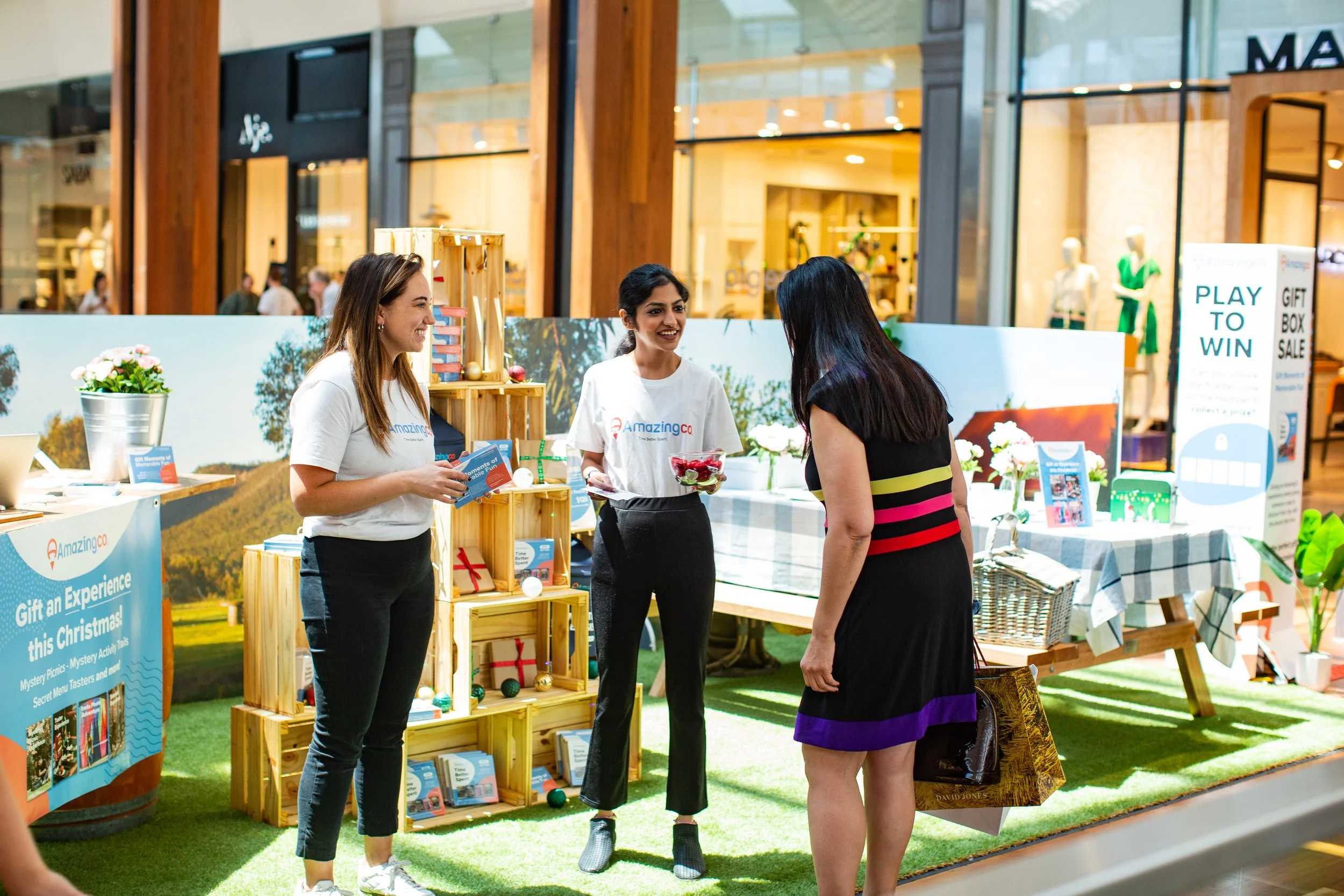
Sponsorship Activation Services reads more coherently when graphics, hardware, AV, and furniture are scoped together.
During Tampa show weeks, Sponsorship Activation Services often changes labor pacing, staging space, and the amount of floor support the booth needs.
Part
Essential Planning Pillars for Sponsorship Activations
Venue capacity matching to sponsor footprint, such as 200,000-square-foot display halls for multi-booth sponsor villages.
Utility confirmation for tech-driven experiences, including electric and compressed-air provisions at core facilities.
Labor rule navigation in right-to-work Florida with venue and organizer oversight.
Cluster-specific logistics from downtown waterfront to east expo campuses.
Integration with event timelines for smooth ballroom-to-display transitions.
Compliance with fairgrounds rental workflows via event rentals and FAQ channels.
Hospitality tie-ins at properties like Seminole Hard Rock for post-activation networking.
Part
Aligning Sponsor Goals with Tampa Venue Profiles
Sponsorship activations thrive when sponsor experiential goals match venue infrastructure, starting with the Tampa Convention Center's 600,000 square feet of total meeting space, where the primary display hall's 200,000 square feet and 30-foot ceiling height accommodate towering branded installations, theater-style keynotes up to 3,600 attendees, and banquet setups for 2,080 in connected ballrooms. Planners coordinate sponsor zones within this waterfront facility to leverage its two show offices for on-site management and four in-hall cafes for attendee flow, ensuring activations like VR demos or charging stations utilize pre-existing water and air hook-ups without competing for house resources. Visit Tampa Bay's dedicated planners hub streamlines facility searches, mapping sponsor needs against downtown clusters including Water Street hotels and Channel District hospitality for hybrid activations that extend into evening receptions.
Florida State Fairgrounds expands options for activations requiring outdoor adjacency, with spaces like the 87,000-square-foot largest hall supporting equestrian-ring integrations for branded challenges or TECO Arena for arena-scale sponsor stages, all routed through the venue's event rentals process that links venues, catering, and promoter portals. This east Tampa campus suits consumer expos where sponsors activate across Entertainment Hall and grounds, coordinating load-ins mindful of fairgrounds' FAQ-guided workflows that emphasize early reservations amid open-market labor conditions.
Tampa Convention Center display hall: 1,000-booth capacity with utility hook-ups.
Florida State Fairgrounds: Indoor halls from 5,000 to 87,000 square feet plus outdoor areas.
Downtown core: Riverfront access for waterfront-themed sponsor experiences.
Part
Labor and Operations Coordination Framework
Florida's right-to-work environment under the state constitution supports flexible crew sourcing for sponsorship setups, but Tampa activations demand pre-event verification of venue house services, as the Tampa Convention Center provides electric, water, and compressed-air infrastructure alongside show offices, requiring exhibitors to align with organizer manuals for floor labor. This ensures sponsor builds like modular lounges or interactive kiosks proceed without union mandates, focusing instead on exhibitor-appointed contractors who navigate the 600,000-square-foot facility's transitions from general session ballrooms to display floors. Westshore's airport-adjacent hotels reinforce this by publishing meeting space details without restrictive labor postures, allowing sponsor hospitality pop-ups to integrate smoothly with roadshow-style programs.
At Florida State Fairgrounds, the rentals navigation directs through dedicated sections for venues and catering, signaling managed workflows where sponsor activations in Expo Hall or outdoor rings confirm service scopes early, avoiding assumptions in a market where final conditions hinge on event contracts and promoter approvals. Seminole Hard Rock Hotel & Casino Tampa's 800 guestrooms and gaming adjacency enhance sponsor entertainment without specified labor barriers, positioning it for buyout activations tied to east-side expos.
Right-to-work state: Open-market baseline without blanket union rules.
Venue cue: Confirm utilities and house functions per exhibitor manual.
Fairgrounds workflow: Event rentals portal for promoter coordination.
Part
Infrastructure and Utility Strategies
Effective sponsorship activations in Tampa prioritize utility planning, exemplified by the Tampa Convention Center's display hall hook-ups for electric, water, and compressed-air, which power high-engagement elements like misting stations or pneumatic displays within its 200,000-square-foot layout supporting 1,000 booths. Planners map these to sponsor footprints, ensuring 30-foot ceilings allow hanging signage or drone demos, while coordinating with the facility's two show offices to stage tech rehearsals amid 3,600-capacity theater transitions. This waterfront venue's scale demands sequenced load-ins from Channelside docks, aligning activations with broader convention flows.
Florida State Fairgrounds' varied halls from 5,000-square-foot breakout zones to 87,000-square-foot main spaces require similar upfront checks through the venues section, where outdoor equestrian rings enable hybrid activations blending indoor TECO Arena stages with grounds-based sponsor vehicles, all under rentals-guided logistics that account for regional access from Brandon and Riverview.
Convention center utilities: Electric, water, compressed-air standard.
Ceiling heights: 30 feet in display hall for vertical activations.
Fairgrounds flexibility: Indoor-outdoor transitions for expansive experiences.
Part
Downtown and Waterfront Activation Dynamics
Tampa's downtown convention core, encompassing Water Street, Channel District, Harbour Island, and Ybor City, positions sponsorship activations amid riverfront vibrancy, with the Tampa Convention Center as anchor for 600,000 square feet of interconnected space where sponsor pavilions link to Straz Center receptions or Tampa Museum of Art off-sites. This cluster supports activations blending display hall demos with Water Street hotel room blocks, coordinating 200,000-square-foot booth villages that feed into 36,000-square-foot ballrooms for sponsor keynotes, mindful of venue-managed cafes and utilities.
Harbour Island and Ybor extensions add hospitality depth, routing activations through Visit Tampa Bay's facilities search to match sponsor hospitality with downtown programming, ensuring labor aligns with right-to-work flexibility and organizer rules.
Waterfront cluster: Tampa CC plus Straz Center and museum receptions.
Hotel integration: Water Street for sponsor overflow and networking.
Riverfront load-ins: Optimized for convention-scale activations.
Part
East and West Corridor Opportunities
East Tampa's fairgrounds and Seminole Hard Rock corridor handles consumer-scale activations, with Florida State Fairgrounds' 87,000-square-foot halls and outdoor rings enabling sponsor challenges tied to the casino's 800-room hospitality and gaming entertainment, coordinating via rentals portals amid Plant City access. This expo logistics hub suits activations spilling from Entertainment Hall into equestrian spaces, confirming open-market labor for builds like branded arenas.
Westshore, Rocky Point, South Tampa, Hyde Park, SoHo, and Davis Islands form an airport belt for sponsor roadshows, leveraging hotel meeting spaces for activations proximate to Tampa International, with early utility confirmations paralleling convention center standards but scaled to sales kickoffs.
Fairgrounds east: Multi-venue campus for consumer sponsor events.
Seminole Hard Rock: 800 rooms plus gaming for entertainment activations.
Westshore belt: Airport-adjacent for quick-turn sponsor hospitality.
Part
Timeline and Transition Best Practices
Sponsorship activations demand precise scheduling around Tampa venue transitions, such as Tampa Convention Center's shift from 3,600-theater general sessions to 200,000-square-foot display opens, where sponsor zones in 1,000-booth layouts stage during designated windows, utilizing show offices for real-time adjustments. Planners sequence this with utility hook-ups active, ensuring compressed-air demos launch smoothly post-ballroom clears.
Fairgrounds' promoter portal facilitates similar flows across TECO Arena and Expo Hall, aligning sponsor outdoor extensions with indoor timelines, while Saddlebrook's 95,000 square feet north of Tampa supports resort activations with flexible resort workflows.
Display transitions: Ballroom to hall sequencing.
Show offices: On-floor coordination hubs.
Promoter portals: Fairgrounds timeline management.
Part
Measurement and ROI Frameworks
Tampa sponsorship planning incorporates venue metrics for ROI projection, like Tampa Convention Center's booth density supporting high-traffic sponsor metrics from 200,000 square feet, tracking engagements via hall cafes and utility-powered tech. East fairgrounds activations leverage 87,000-square-foot scales for consumer metrics, coordinating with rentals for data capture in equestrian or arena zones.
Downtown clusters enhance with Straz Center or museum tie-ins, measuring against right-to-work efficiencies and house service baselines.
Booth capacity metrics: 1,000 units for traffic projections.
Utility-enabled tracking: Power for digital lead gen.
Cluster synergies: Waterfront to east corridor ROI layers.
Part
Frequently Asked Questions on Tampa Sponsorship Activations
Q: What makes the Tampa Convention Center ideal for sponsorship activations?
Its 600,000-square-foot total space includes a 200,000-square-foot display hall for up to 1,000 10'x10' booths, with electric, water, and compressed-air hook-ups, two show offices, and four cafes supporting operational flow.
Q: How does Florida's labor environment affect activations?
As a right-to-work state, it provides an open-market baseline, but activations require confirmation of venue house services and exhibitor manual rules for utilities and floor work.
Q: Can Florida State Fairgrounds host large sponsor experiences?
Yes, with spaces from 5,000 to 87,000 square feet across Expo Hall, TECO Arena, Entertainment Hall, equestrian rings, and outdoor areas, coordinated via event rentals workflows.
Q: What role do downtown clusters play in activations?
Led by the convention center, Water Street, Channel District, Harbour Island, and Ybor City enable integrated sponsor programming with riverfront access and hospitality extensions.
Q: How to handle utilities in Tampa venues?
Confirm early with venues like the convention center's built-in electric, water, and air provisions, aligning with organizer specs for sponsor tech and demos.
Q: Are resort options viable for sponsor events?
Saddlebrook offers over 95,000 square feet north of Tampa, and Seminole Hard Rock provides 800 rooms with gaming, both fitting hospitality-focused activations.