Technology Trade Show Services is easier to manage when venue access windows are checked before freight leaves storage.

Tampa / Florida
Venue-led trade show display planning for the bay-area event calendar.
813-946-8577info@tradeshowdisplaystampa.comStart the display briefIndustries
Technology Trade Show Services Trade Show Display Rentals
Technology companies displaying in Tampa gain access to expansive waterfront convention facilities and flexible expo campuses designed for high-density booth configurations, where precise coordination ensures smooth integration of power-intensive demos, interactive displays, and modular tech setups across the downtown core and surrounding venue clusters.
Tampa's convention landscape supports technology trade shows through its 600,000-square-foot Tampa Convention Center, which features a 200,000-square-foot display hall capable of hosting up to 1,000 standard 10-by-10-foot booths, complete with on-floor electric, water, and compressed-air hookups essential for powering servers, LED walls, and prototype machinery during multi-day events. Planners coordinate early with venue teams to align exhibitor needs with house services, navigating the transition from ballroom sessions to display floor activations in this right-to-work state where labor rules vary by show organizer and facility.
Beyond the downtown waterfront, the Florida State Fairgrounds provides expo halls, arenas, and outdoor spaces from 5,000 to 87,000 square feet, ideal for technology expos requiring vehicle displays or large-scale outdoor demos, while east-side properties like the Seminole Hard Rock Hotel & Casino Tampa offer conference-adjacent hospitality for sponsor buyouts. Effective planning hinges on understanding venue-specific workflows, from RFP support via Visit Tampa Bay's meetings hub to confirming utility orders and contractor approvals well in advance of load-in.
Westshore and airport-area hotels complement these sites for roadshow-style tech gatherings, with over 95,000 square feet available at resorts like Saddlebrook north of the city, ensuring comprehensive coverage for technology firms targeting Tampa Bay's growing conference demand across healthcare tech, software demos, and hardware innovations.
- Tampa
- Industries
- Display Planning
- Show-Site Support
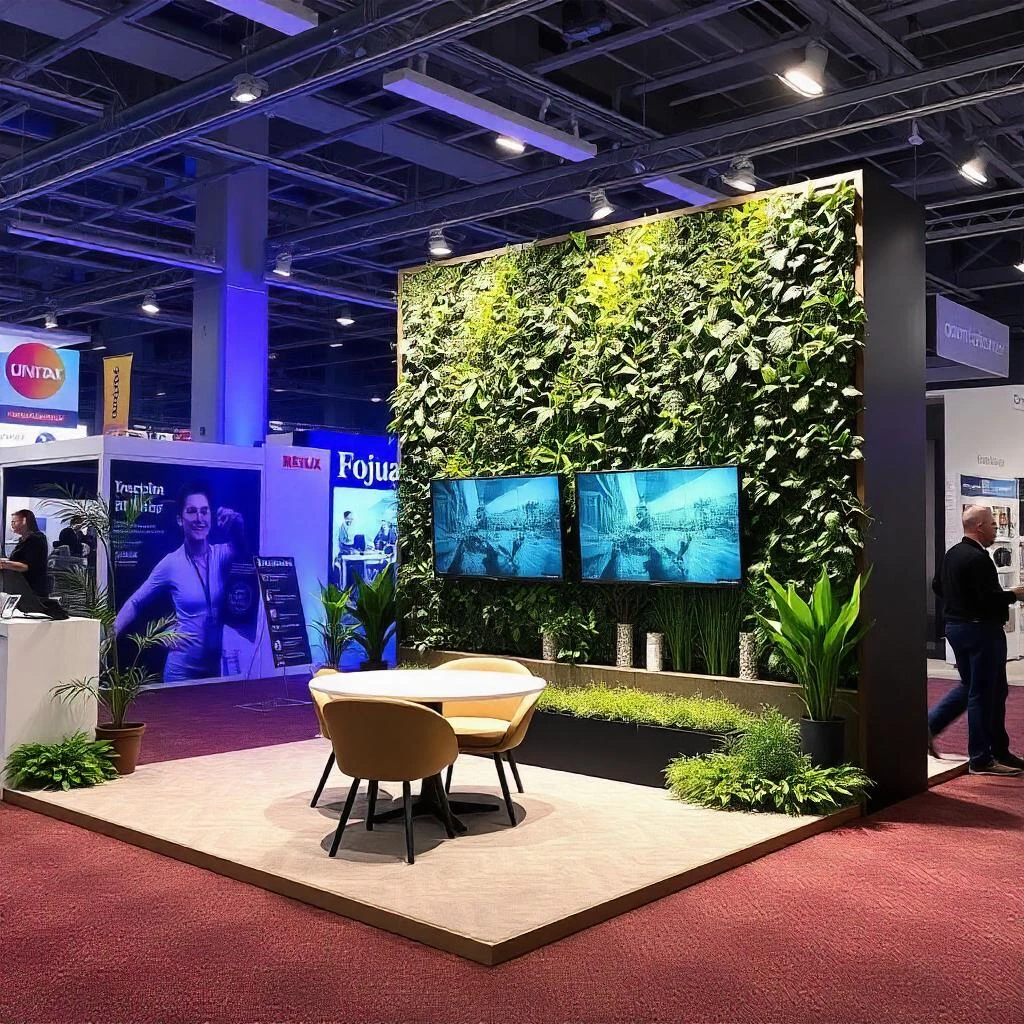
Technology Trade Show Services reads more coherently when graphics, hardware, AV, and furniture are scoped together.
During Tampa show weeks, Technology Trade Show Services often changes labor pacing, staging space, and the amount of floor support the booth needs.
Part
Core Coordination Priorities for Technology Exhibitors
Confirming high-amperage power hookups for demo stations and AV rigs in the Tampa Convention Center's 200,000-square-foot hall.
Aligning booth footprints with 1,000-booth capacity limits and compressed-air access for pneumatic prototypes.
Navigating fairgrounds venues from 5,000 to 87,000 square feet for scalable tech expos including outdoor elements.
Coordinating labor under Florida's right-to-work framework with venue-managed utilities and show manuals.
Planning load-ins from airport proximity in Westshore and Rocky Point clusters to downtown waterfront docks.
Integrating off-site activations at Straz Center or Tampa Museum of Art for VIP tech receptions.
Securing early RFP alignment through Visit Tampa Bay's planner hub for multi-venue programs.
Part
Tampa Convention Center: Powerhouse for Tech Booth Deployments
The Tampa Convention Center stands as the waterfront anchor for technology trade shows, offering 600,000 square feet of total meeting space including a dedicated 200,000-square-foot display hall engineered for up to 1,000 10-by-10-foot booths, where exhibitors rely on built-in electric services, water lines, and compressed-air connections to sustain continuous operation of high-demand tech installations like VR simulations, robotics arms, and multi-monitor command centers over three-day formats. Coordination begins with reviewing the venue's show office resources and cafe placements within the hall to optimize crew breaks and visitor flow, while 30-foot ceiling heights accommodate towering LED facades and overhead truss systems without clearance conflicts.
Display managers must sequence ballroom-to-hall transitions meticulously, as general session keynotes often feed directly into booth openings, requiring pre-event walkthroughs to map forklift paths, electrical drops, and rigging points amid the facility's 36,000-square-foot largest room capacity for theater-style tech unveilings seating 3,600. In this environment, right-to-work labor flexibility allows exhibitor-appointed teams to handle custom integrations once venue house services like basic utilities are locked in via organizer channels, preventing delays from unconfirmed power loads that could overload circuits during peak demo hours.
Electric hookups positioned for inline and island booth configurations.
Compressed air supports hardware testing without external compressors.
Water access aids cooling systems for server racks and prototypes.
Part
Florida State Fairgrounds: Scalable Expo Space for Tech Expansions
Positioned in Tampa's east corridor alongside Brandon and Riverview access, the Florida State Fairgrounds delivers versatile venues from the Expo Hall and TECO Arena to Entertainment Hall and equestrian rings, spanning 5,000 to 87,000 square feet perfect for technology shows incorporating live vehicle tech demos, drone flight zones, or expansive outdoor networking pavilions that downtown facilities cannot match in footprint. Planners route through the fairgrounds' event rentals workflow, coordinating catering and venue FAQs to embed tech exhibitors within consumer-hybrid formats where booth villages scale dynamically based on sponsor commitments.
Operational flow emphasizes early promoter portal submissions for space allocations, allowing technology firms to deploy modular truss frameworks across multi-hall layouts while adhering to fairgrounds-managed logistics for tractor-trailers entering from major highways, ensuring that high-bay clearances in the 87,000-square-foot largest area handle forklift-delivered crating for AI hardware and collaborative robot displays without urban congestion interruptions.
Florida's right-to-work status streamlines crew scaling for these larger pads, where exhibitors confirm non-conflicting schedules with fairgrounds teams to install interactive kiosks and charging stations, transforming entertainment halls into buzzing tech marketplaces that extend visitor dwell time beyond standard convention cycles.
Part
Labor and Utility Coordination in Right-to-Work Tampa
Florida's constitutional right-to-work provisions create an open-market baseline for technology trade show labor, mandating coordination with venue-specific rules at sites like the Tampa Convention Center where house electricians manage core hookups but defer custom wiring to approved exhibitor contractors per show manuals. This setup requires pre-event audits of power demands for tech booths—often exceeding standard 20-amp circuits for 4K video walls or edge-computing nodes—delivered through the venue's two dedicated show offices to avoid on-site rejections during compressed build schedules.
At fairgrounds and resort venues such as Saddlebrook's 95,000-square-foot flexible spaces north of Tampa, the absence of blanket union mandates enables agile team deployments for overnight installs, provided planners cross-reference organizer exhibitor guides with facility FAQs to preempt catering overlaps or utility conflicts, ensuring that compressed-air lines fuel pneumatic interfaces without triggering house-service escalations.
Comprehensive planning incorporates Visit Tampa Bay's RFP support to unify labor across clusters, from Westshore airport hotels for quick-turn tech roadshows to Channel District overflow, where exhibitors budget for venue-managed cafes and water points while securing independent crews for precision tasks like fiber optic pulls and sensor calibrations.
Early exhibitor manual review for labor scopes.
Power load calculations submitted 60 days pre-show.
Venue walkthroughs confirm dock access and rigging heights.
Part
Logistics Across Tampa's Venue Clusters
Tampa's geography demands cluster-specific logistics planning, starting with downtown's Convention Core where Water Street hotels and Harbour Island properties feed the Tampa Convention Center's waterfront docks, allowing tractor-trailers to offload crated servers and truss directly into the 200,000-square-foot hall under 30-foot ceilings ideal for tech rigging. Exhibitors sequence Peninsula Line hauls from I-275 interchanges to minimize dwell times, coordinating with show management for booth vacancy inspections before unleashing crews on custom millwork and cable management.
Westshore and Rocky Point's airport belt suits smaller tech symposia, with South Tampa extensions like Hyde Park and SoHo providing room blocks proximate to flexible ballroom spaces, where load-ins bypass downtown traffic via Veterans Expressway ramps, enabling just-in-time deliveries for battery-powered demos and pop-up charging hubs without the scale constraints of core venues.
East Tampa's fairgrounds hub, bolstered by Ybor City hospitality, handles bulkier tech cargo through Plant City gateways, while nearby counties like Hillsborough and Pinellas expand radius for satellite events, all unified under Florida's labor openness to deploy consistent crews across 87,000-square-foot outdoor pads or 600,000-square-foot convention complexes.
Part
Off-Site and Sponsor Activations for Tech Events
Technology trade shows in Tampa extend beyond display floors to off-sites like the Straz Center for the Performing Arts, positioned as a downtown hub for Broadway-scale theaters adaptable to keynote broadcasts and sponsor galas, where planners coordinate tech-forward receptions blending performing arts lobbies with AR overlays and live-stream feeds for remote audiences. Nearby, the Tampa Museum of Art's galleries host executive dinners amid antiquities collections, providing cultured backdrops for C-suite networking post-booth closes.
Seminole Hard Rock Hotel & Casino Tampa anchors east-side activations with 800 guestrooms and gaming adjacency, ideal for sponsor hospitality buyouts featuring poolside VR lounges or spa-integrated wellness tech pitches, routed through Visit Tampa Bay listings to secure blocks amid three pools and restaurant circuits without competing for convention-core inventory.
These extensions demand synchronized schedules, leveraging right-to-work flexibility to shuttle crews between clusters—installing AV uplinks at the Straz while powering hall demos at the Convention Center—ensuring cohesive branding from waterfront display openings to Ybor City after-parties.
Straz Center for theater-capacity keynotes and receptions.
Museum of Art for intimate donor previews.
Hard Rock for nightlife-tied sponsor entertainment.
Part
Pre-Event Planning Through Venue Resources
Visit Tampa Bay's meetings hub equips technology planners with convention-center deep dives, facilities search tools, and maps detailing the 200,000-square-foot hall's booth math alongside RFP submission paths that fast-track approvals for power-heavy displays. This resource layers onto fairgrounds venue selectors listing Expo Hall specs against TECO Arena capacities, guiding hybrid tech-consumer show bids with catering integration prompts.
Saddlebrook's north-Tampa positioning adds 95,000 square feet of resort-flex space for executive retreats preceding main expos, where public sections emphasize planning support without rigid labor imprints, allowing exhibitors to prototype booth evolutions in low-stakes ballrooms before downtown deployments.
Holistic prep cross-checks Pinellas and Pasco spillovers, confirming compressed-air viability at waterfront sites and outdoor rigging at fairgrounds, all within Florida's open labor canvas to build resilient schedules immune to last-minute organizer pivots.
Part
Frequently Asked Questions About Technology Trade Shows in Tampa
Q: What display hall capacity does the Tampa Convention Center offer for tech booths?
The 200,000-square-foot display hall accommodates up to 1,000 10'x10' booths, with electric, water, and compressed-air hookups supporting power-intensive technology displays.
Q: How does Florida's right-to-work status impact tech show labor?
It establishes an open-market baseline, but final conditions depend on venue house services, exhibitor manuals, and show organizers, requiring early coordination.
Q: What venues suit large-scale tech demos outside downtown?
Florida State Fairgrounds provides spaces from 5,000 to 87,000 square feet across halls, arenas, and outdoor areas for expansive prototypes and vehicle integrations.
Q: How to handle power needs for tech displays?
Confirm high-amperage requirements via venue show offices and organizer channels, leveraging built-in utilities at the Convention Center and fairgrounds.
Q: What off-site options complement tech trade shows?
Straz Center for receptions, Tampa Museum of Art for dinners, and Seminole Hard Rock for sponsor hospitality, all accessible via venue clusters.
Q: Where to start planning a Tampa tech event?
Use Visit Tampa Bay's meetings hub for RFP support, convention-center details, and facilities search to align exhibitor needs with available spaces.